Stylish masterpiece Premium Hero Model
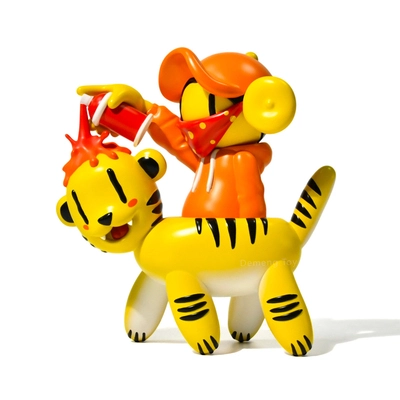
Begin your journey into bespoke figure making and cultivate unique skills!
More than accumulation, the craft centers on expressing individuality through sculpted figures.
Whether expert or beginner, use these tips to build, finish, and monetize custom figure projects.
We break down selecting bases, sculpting details, and advanced painting to make unique figures worth selling.
- Kick off with concept art, target pricing, and a production timeline for commercial results.
- Choose base figures with compatible joints and surface finish suitable for repainting.
- Try different materials—putty, milliput, resin, and polymer clay—to craft original elements.

Bring Your Imaginary Heroes to Life: The Art of DIY Action Figure Making
- Kick off with a detailed character brief—look, lore, and target buyer—to shape design choices.
- Draw iterative sketches to establish proportions, costume flow, and accessory scale.
- Prepare workbench supplies: putty, sculpt tools, adhesives, and a selection of paints and varnishes.
- Sculpt with attention to facial features, proportion, and the integration of custom parts.
- Finish painting with consistent lighting checks, photo-ready finishes, and durable clear coats.
Modification Mastery: Tips for Distinctive Custom Figures
Want to upgrade your collection? Embrace modification to create distinct, collectible figures you can sell.
Start by choosing a base with solid potential and plan the modifications to maximize visual impact.
* **Sculpting:** Choose sculpting compounds that cure hard and can be sanded for a smooth finish.
* **Painting:** Paint with patience—prime, glaze, and seal to How To Make Action Figure create photos and sales-ready finishes.
* **Accessories:** {Get creative with found objects and spare parts to craft unique weapons and stands.|Repurpose tiny components and kitbash parts to create distinctive props and display bases.|Combine printed parts, metal bits, and kitbashed pieces for specialty accessories.|Use 3D-printed or scratch-built accessories to increase perceived value and uniqueness.|Craft accessories from small-scale materials or print custom items to enhance desirability.|Invent accessories by converting everyday items into miniature props that pop on shelves.|Design removable and interchangeable accessories to offer collectors customization options.|Produce themed accessory sets that pair with figures to boost bundle sales and interest.|
Mass Production Basics for Action Figures
The action figure industry blends artistry and engineering—prototypes are sculpted, digitized, and prepared for production.
Materials are molded and assembled, paints apply color, and articulation parts are fitted to create the finished figure.
Well-made figures combine story-driven design with robust manufacturing that stands up to display and handling.
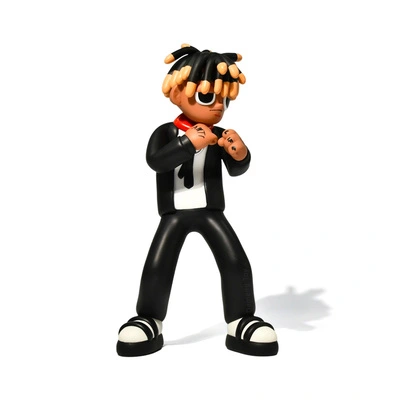
Design Principles for Custom Action Figures
Consistent process control, from design to varnish, turns individual customs into reliable saleable items.
Tool Kit Essentials for Figure Customizers
- Fine miniature cutters and blades for smooth separation and trim work.
- High-quality sculpting clay or epoxy putty for creating durable custom parts.
- A diverse paint kit tailored to miniature work, including weathering and detail hues.
- Fine-tipped precision brushes for micro-detail and controlled line work.
- A sharp modeling blade for clean cuts and profile defining during sculpting.
The Anatomy of an Action Figure
Discover how each element, from joints to paint, contributes to a figure’s overall character.
The body core is produced in chosen material—hard plastic for structure or softer vinyl for flexibility.
Fit a reliable internal joint system to ensure durability and smooth articulation for collectors.
Curated accessory sets augment figures and provide upsell opportunities for sellers.
Finally, finishes and paints bring figures to life with color, texture, and protective coatings.
From Plastic to Perfection: Painting and Finishing Your Custom Figures
Pre-paint prep—seam smoothing, degreasing, and priming—ensures consistent color application and durability.
Opt for a palette that supports highlights and shadowing—thin paints layer better for subtle depth.
Apply gradual color build-up with small brushes, preserving details and achieving depth.
Apply a durable clear coat to ensure long-term color stability and marketplace readiness.
Unmasking the Mastermind: Interviews with Top Action Figure Artists
Gain tips and workflow insights from artists who successfully transition hobby work into a business.
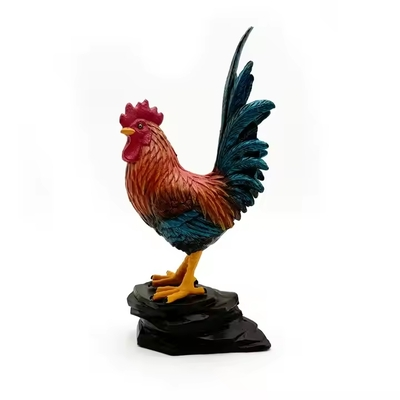
Assemble Your Action Figure Army!
Fans and builders—present your work, enter contests, and swap stories at community showcases.
Join events where collectors exchange tips, show mods, and compete for recognition and prizes.
- Connect online and in person to swap gear, commission customs, and co-create display series.
- Access video guides, workshop notes, and forum tips to refine techniques and display practices.
No matter your level, the custom-figure community offers mentorship, inspiration, and markets for sales.
Picking the Best Producer for Your Figures
Choosing a factory requires vetting sample pieces, checking tolerances, and comparing material specs.
- Examine production samples to ensure the manufacturer can deliver the level of detail you require.
- Look for accurate scaling, robust joint construction, and reliable articulation performance.
- Prioritize materials that meet your quality expectations and align with customer preferences.
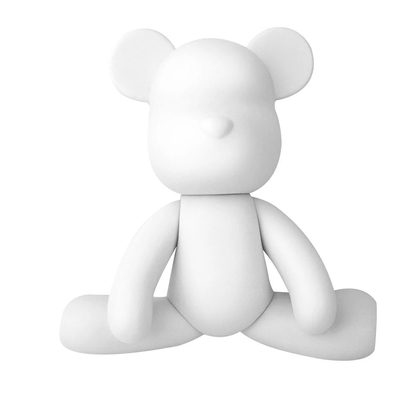
Selecting the best producer reduces defects, speeds time-to-market, and increases customer trust.